

Reservoir Engineering & Subsurface Simulation

Reservoir Simulation and Forecast Validation for Field Development Plan (FDP) Approval

Reservoir Simulation and Forecast Validation for Field Development Plan (FDP) Approval

Overview of Reservoir Simulation in FDP Approval Role of Simulation in Field Development Planning Reservoir simulation forms the technical backbone of Field Development Plan (FDP) approval by enabling quantitative prediction of reservoir performance under various development scenarios. It integrates geological, petrophysical, and engineering data into a unified numerical framework that supports decisions on well placement, […]

Reservoir Simulation and Forecast Validation for Field Development Plan (FDP) Approval Read More »
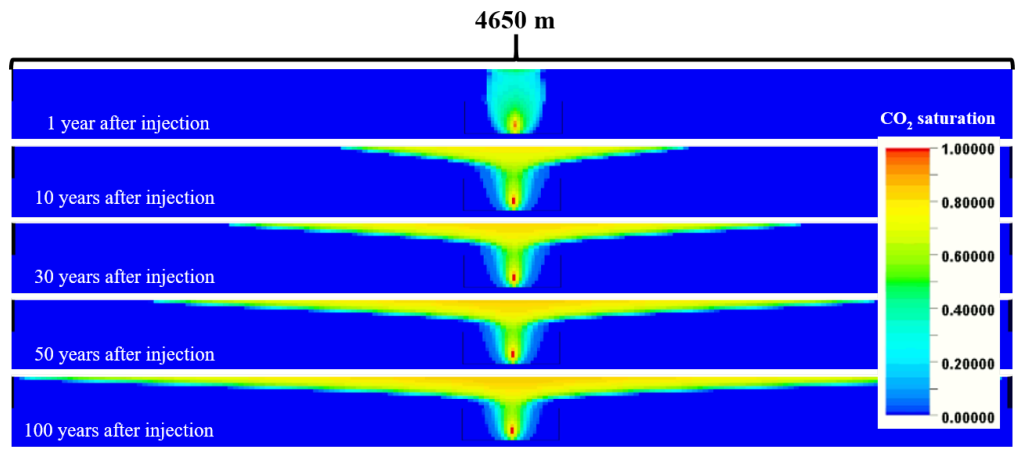
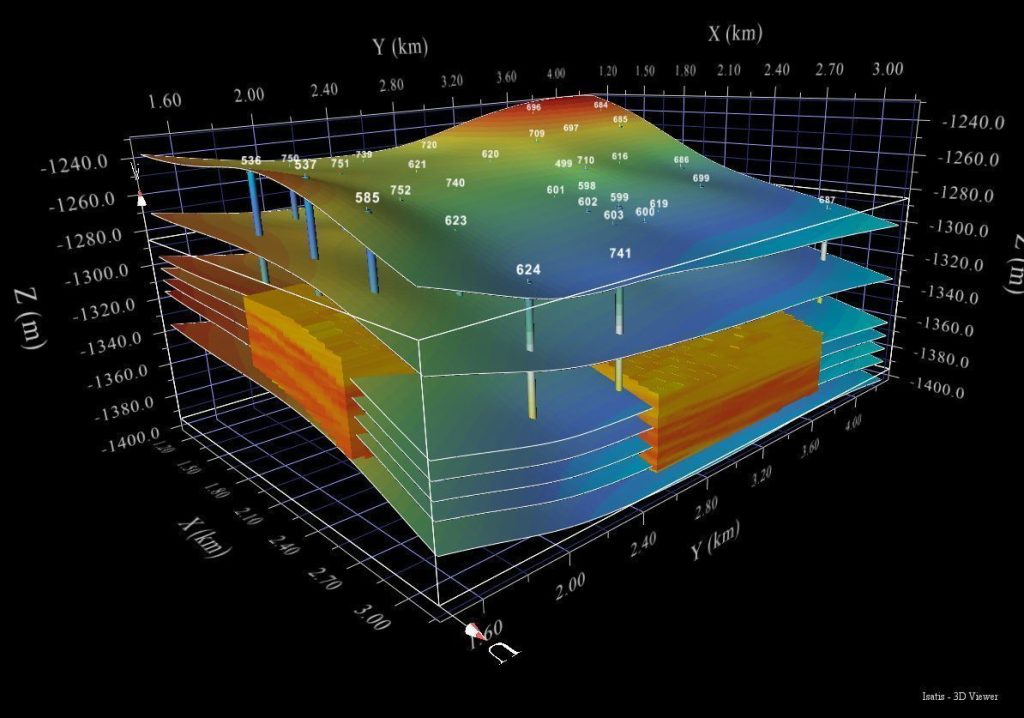
Reactive vs Non-Reactive Reservoir Simulation in Energy Storage Systems

When to Use Reactive vs Non-Reactive Reservoir Simulation in Energy Storage Systems

Overview of Reservoir Simulation in Energy Storage Systems Role of Reservoir Simulation in COâ‚‚ and Hydrogen Storage Reservoir simulation is central to predicting subsurface behavior in COâ‚‚ sequestration and hydrogen storage systems, enabling the evaluation of injectivity, containment, and long-term performance. These simulations provide a quantitative framework for understanding multiphase flow, pressure evolution, and geochemical

When to Use Reactive vs Non-Reactive Reservoir Simulation in Energy Storage Systems Read More »

Integrating Geological Models with Reservoir Simulation for Capital Projects

Integrating Static Geological Models with Dynamic Reservoir Simulation for Capital Projects

Understanding Static and Dynamic Reservoir Models Definition of Static Geological Models in Subsurface Studies Static geological models represent the spatial distribution of reservoir properties such as lithology, porosity, permeability, and structural features. These models are constructed using seismic interpretation, well logs, and core data to provide a three-dimensional representation of the subsurface. The incorporation of

Integrating Static Geological Models with Dynamic Reservoir Simulation for Capital Projects Read More »

Subsurface Modeling Requirements for Carbon Dioxide (COâ‚‚) and Hydrogen Storage Project ApprovalSubsurface Modeling Requirements for Carbon Dioxide (COâ‚‚) and Hydrogen Storage Project Approval

Subsurface Modeling Requirements for Carbon Dioxide (COâ‚‚) and Hydrogen Storage Project Approval

Overview of Subsurface Modeling for Energy Storage Projects Definition of Subsurface Modeling in Carbon Dioxide (COâ‚‚) and Hydrogen Storage Subsurface modeling for Carbon Dioxide (COâ‚‚) and hydrogen storage refers to the construction of high-fidelity numerical and conceptual representations of geological formations to predict fluid behavior, storage capacity, containment integrity, and long-term performance. These models integrate

Subsurface Modeling Requirements for Carbon Dioxide (CO₂) and Hydrogen Storage Project Approval Read More »

Technical Criteria for Selecting an Advanced Reservoir Characterization Expert

Technical Criteria for Selecting an Advanced Reservoir Characterization Expert

Understanding Advanced Reservoir Characterization Definition and Scope of Reservoir Characterization Reservoir characterization is a multidisciplinary process that integrates geological, geophysical, and engineering data to construct a representative model of subsurface formations. It encompasses the quantification of rock properties, fluid distributions, and structural heterogeneities that govern hydrocarbon or COâ‚‚ storage behavior. Foundational frameworks emphasize that robust

Technical Criteria for Selecting an Advanced Reservoir Characterization Expert Read More »