
March 2026

Reservoir Simulation and Forecast Validation for Field Development Plan (FDP) Approval

Reservoir Simulation and Forecast Validation for Field Development Plan (FDP) Approval

Overview of Reservoir Simulation in FDP Approval Role of Simulation in Field Development Planning Reservoir simulation forms the technical backbone of Field Development Plan (FDP) approval by enabling quantitative prediction of reservoir performance under various development scenarios. It integrates geological, petrophysical, and engineering data into a unified numerical framework that supports decisions on well placement, […]

Reservoir Simulation and Forecast Validation for Field Development Plan (FDP) Approval Read More »
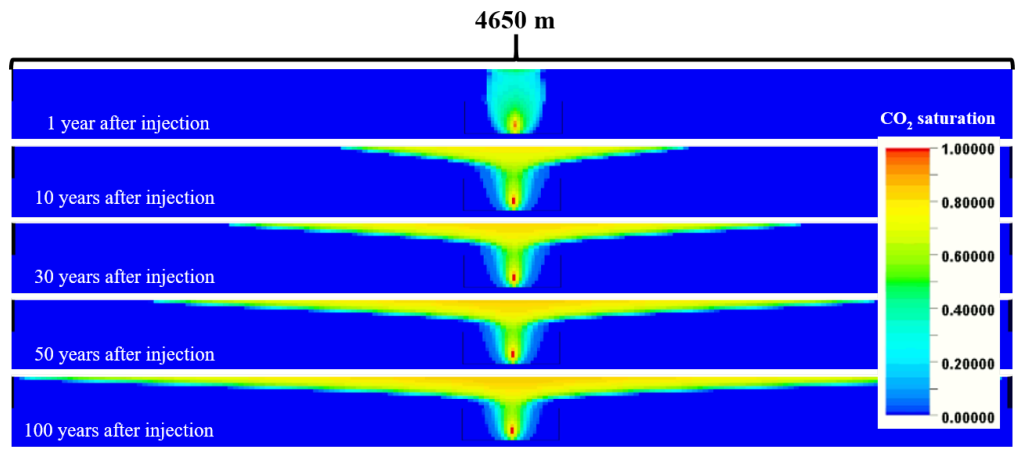
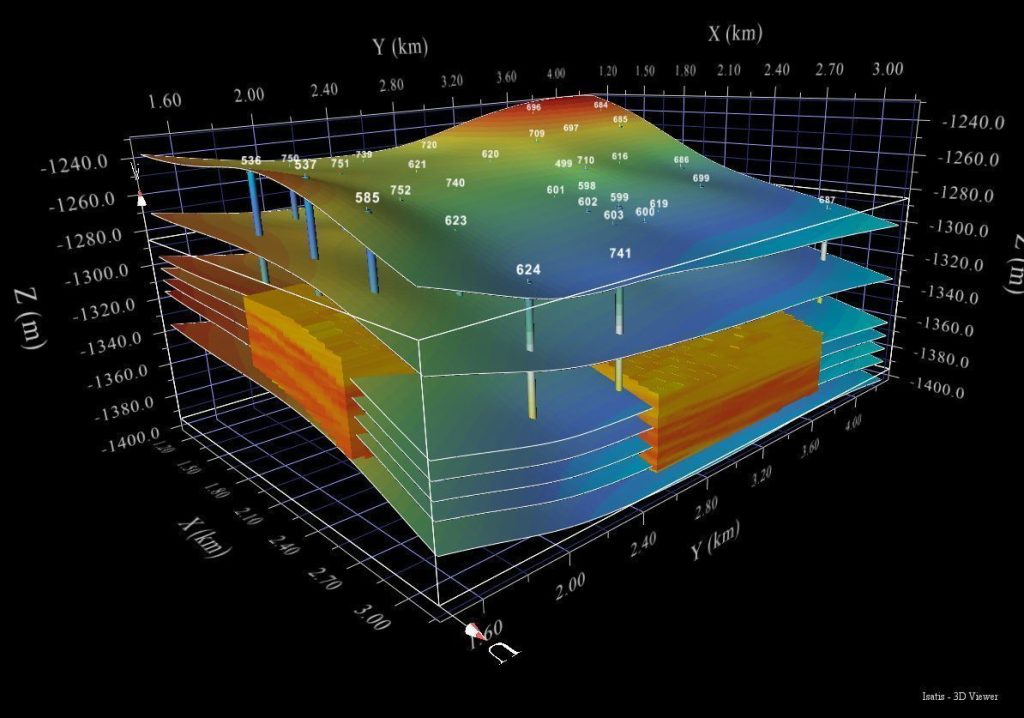
Reactive vs Non-Reactive Reservoir Simulation in Energy Storage Systems

When to Use Reactive vs Non-Reactive Reservoir Simulation in Energy Storage Systems

Overview of Reservoir Simulation in Energy Storage Systems Role of Reservoir Simulation in COâ‚‚ and Hydrogen Storage Reservoir simulation is central to predicting subsurface behavior in COâ‚‚ sequestration and hydrogen storage systems, enabling the evaluation of injectivity, containment, and long-term performance. These simulations provide a quantitative framework for understanding multiphase flow, pressure evolution, and geochemical

When to Use Reactive vs Non-Reactive Reservoir Simulation in Energy Storage Systems Read More »

Integrating Geological Models with Reservoir Simulation for Capital Projects

Integrating Static Geological Models with Dynamic Reservoir Simulation for Capital Projects

Understanding Static and Dynamic Reservoir Models Definition of Static Geological Models in Subsurface Studies Static geological models represent the spatial distribution of reservoir properties such as lithology, porosity, permeability, and structural features. These models are constructed using seismic interpretation, well logs, and core data to provide a three-dimensional representation of the subsurface. The incorporation of

Integrating Static Geological Models with Dynamic Reservoir Simulation for Capital Projects Read More »

Subsurface Modeling Requirements for Carbon Dioxide (COâ‚‚) and Hydrogen Storage Project ApprovalSubsurface Modeling Requirements for Carbon Dioxide (COâ‚‚) and Hydrogen Storage Project Approval

Subsurface Modeling Requirements for Carbon Dioxide (COâ‚‚) and Hydrogen Storage Project Approval

Overview of Subsurface Modeling for Energy Storage Projects Definition of Subsurface Modeling in Carbon Dioxide (COâ‚‚) and Hydrogen Storage Subsurface modeling for Carbon Dioxide (COâ‚‚) and hydrogen storage refers to the construction of high-fidelity numerical and conceptual representations of geological formations to predict fluid behavior, storage capacity, containment integrity, and long-term performance. These models integrate

Subsurface Modeling Requirements for Carbon Dioxide (CO₂) and Hydrogen Storage Project Approval Read More »

Technical Criteria for Selecting an Advanced Reservoir Characterization Expert

Technical Criteria for Selecting an Advanced Reservoir Characterization Expert

Understanding Advanced Reservoir Characterization Definition and Scope of Reservoir Characterization Reservoir characterization is a multidisciplinary process that integrates geological, geophysical, and engineering data to construct a representative model of subsurface formations. It encompasses the quantification of rock properties, fluid distributions, and structural heterogeneities that govern hydrocarbon or COâ‚‚ storage behavior. Foundational frameworks emphasize that robust

Technical Criteria for Selecting an Advanced Reservoir Characterization Expert Read More »

Model Validation Standards for Long-Term Carbon Dioxide (COâ‚‚) Containment Security

Model Validation Standards for Long-Term Carbon Dioxide (COâ‚‚) Containment Security

Understanding Model Validation in Geological Carbon Storage Definition of Model Validation in CCS Context Model validation in carbon capture and storage (CCS) refers to the systematic process of demonstrating that a numerical model can reliably predict the behavior of injected carbon dioxide (COâ‚‚) within geological formations over extended timescales. This includes verifying that model outputs

Model Validation Standards for Long-Term Carbon Dioxide (CO₂) Containment Security Read More »

Caprock Integrity Assessment Through Advanced Reservoir Simulation

Caprock Integrity Assessment Through Advanced Reservoir Simulation

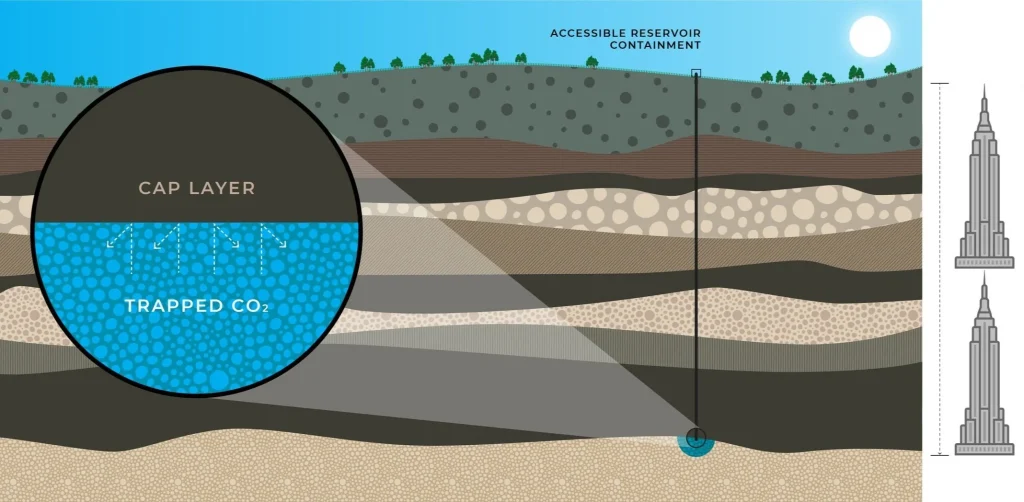
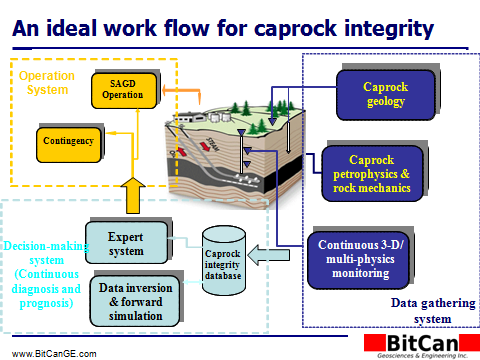
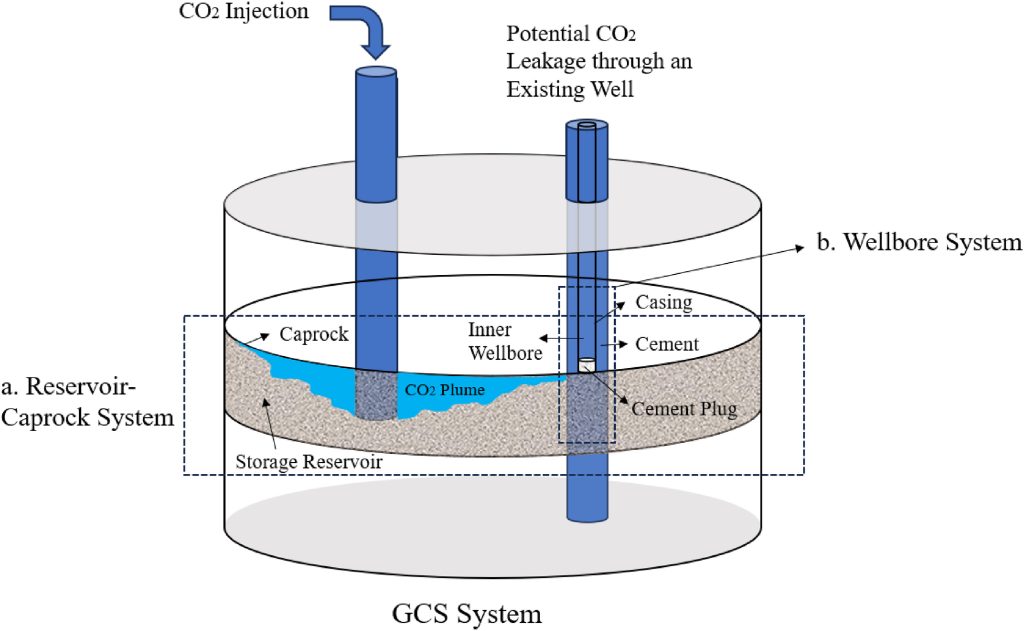
Understanding Caprock Integrity in Geological Carbon Storage Definition and Role of Caprock in Carbon Dioxide (COâ‚‚) Containment Caprock refers to low-permeability geological formations that act as seals, preventing the upward migration of injected COâ‚‚. These formations, typically composed of shale or mudstone, are critical to the containment function of geological carbon storage systems. Their effectiveness

Caprock Integrity Assessment Through Advanced Reservoir Simulation Read More »

Independent Technical Review Checklist for Carbon Storage Simulation Reports

Independent Technical Review Checklist for Carbon Storage Simulation Reports

As the global energy sector pivots toward gigatonne-scale carbon abatement, the fidelity of reservoir simulations has transitioned from an academic exercise to a multi-billion dollar financial necessity. An Independent Technical Review (ITR) serves as the rigorous peer review of the industrial world, ensuring that COâ‚‚ storage models are geologically sound, numerically stable, and legally defensible.

Independent Technical Review Checklist for Carbon Storage Simulation Reports Read More »

Pressure Management Design and Overpressure Risk Modeling in Utility-Scale COâ‚‚ Injection

Pressure Management Design and Overpressure Risk Modeling in Utility-Scale COâ‚‚ Injection

Fundamentals of Pressure Behavior in COâ‚‚ Injection Systems Reservoir Pressure Dynamics During COâ‚‚ Injection Injection of COâ‚‚ into subsurface formations increases pore pressure as fluid mass accumulates within the reservoir. Unlike hydrocarbon production, which reduces pressure, COâ‚‚ injection introduces a sustained pressure buildup that propagates outward from the injection well. This pressure evolution governs injectivity,

Pressure Management Design and Overpressure Risk Modeling in Utility-Scale CO₂ Injection Read More »

When to Use TOUGHREACT vs CMG-GEM for Carbon Storage Modeling

When to Use TOUGHREACT vs CMG-GEM for Reactive Transport Modeling in Carbon Storage

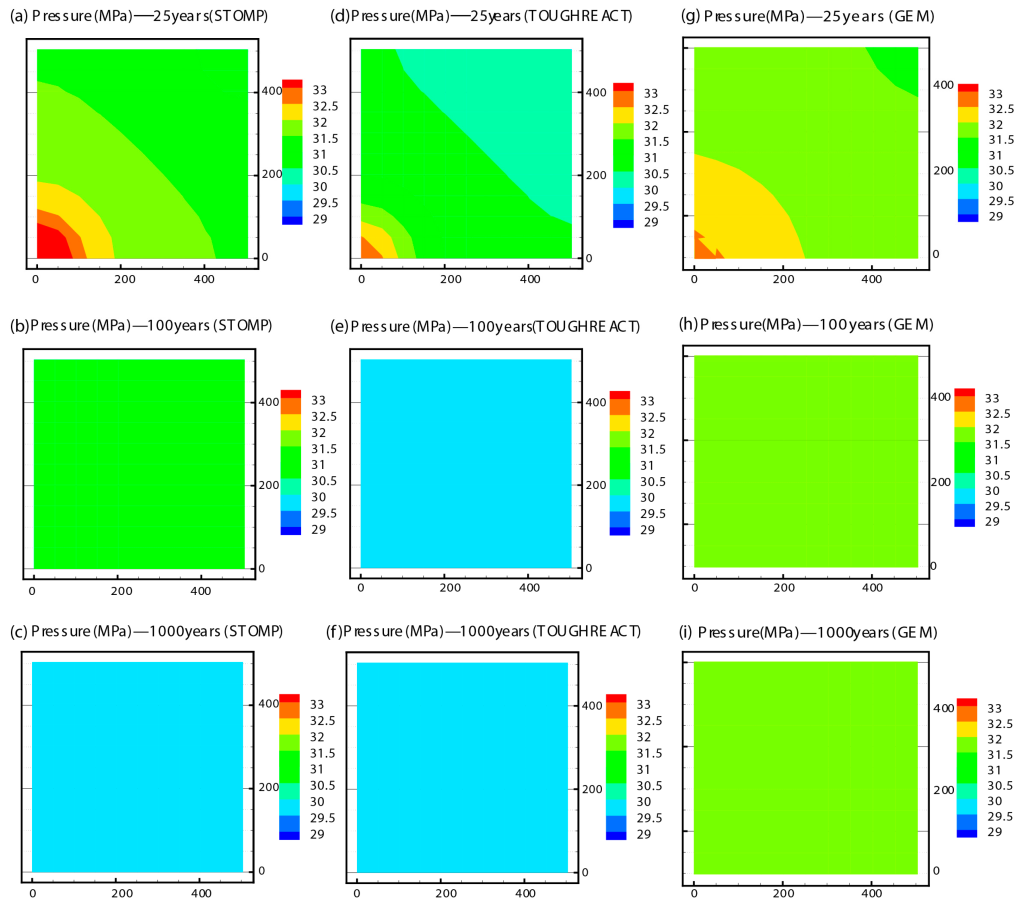
Selecting the right simulator is a pivotal technical decision that influences the “bankability” of a Carbon Capture and Storage (CCS) project. While many tools exist, the industry often debates the merits of TOUGHREACT versus CMG-GEM. This guide explores how to choose between them based on your project’s scale and objectives. Understanding Reactive Transport Modeling in

When to Use TOUGHREACT vs CMG-GEM for Reactive Transport Modeling in Carbon Storage Read More »