Geological Carbon Storage & CO₂ Sequestration

Model Validation Standards for Long-Term Carbon Dioxide (CO₂) Containment Security

Model Validation Standards for Long-Term Carbon Dioxide (CO₂) Containment Security

Understanding Model Validation in Geological Carbon Storage Definition of Model Validation in CCS Context Model validation in carbon capture and storage (CCS) refers to the systematic process of demonstrating that a numerical model can reliably predict the behavior of injected carbon dioxide (CO₂) within geological formations over extended timescales. This includes verifying that model outputs […]

Model Validation Standards for Long-Term Carbon Dioxide (CO₂) Containment Security Read More »
Caprock Integrity Assessment Through Advanced Reservoir Simulation

Caprock Integrity Assessment Through Advanced Reservoir Simulation

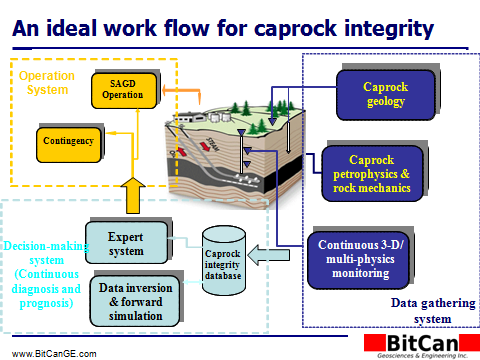
Understanding Caprock Integrity in Geological Carbon Storage Definition and Role of Caprock in Carbon Dioxide (CO₂) Containment Caprock refers to low-permeability geological formations that act as seals, preventing the upward migration of injected CO₂. These formations, typically composed of shale or mudstone, are critical to the containment function of geological carbon storage systems. Their effectiveness

Caprock Integrity Assessment Through Advanced Reservoir Simulation Read More »

Independent Technical Review Checklist for Carbon Storage Simulation Reports

Independent Technical Review Checklist for Carbon Storage Simulation Reports

As the global energy sector pivots toward gigatonne-scale carbon abatement, the fidelity of reservoir simulations has transitioned from an academic exercise to a multi-billion dollar financial necessity. An Independent Technical Review (ITR) serves as the rigorous peer review of the industrial world, ensuring that CO₂ storage models are geologically sound, numerically stable, and legally defensible.

Independent Technical Review Checklist for Carbon Storage Simulation Reports Read More »

Pressure Management Design and Overpressure Risk Modeling in Utility-Scale CO₂ Injection

Pressure Management Design and Overpressure Risk Modeling in Utility-Scale CO₂ Injection

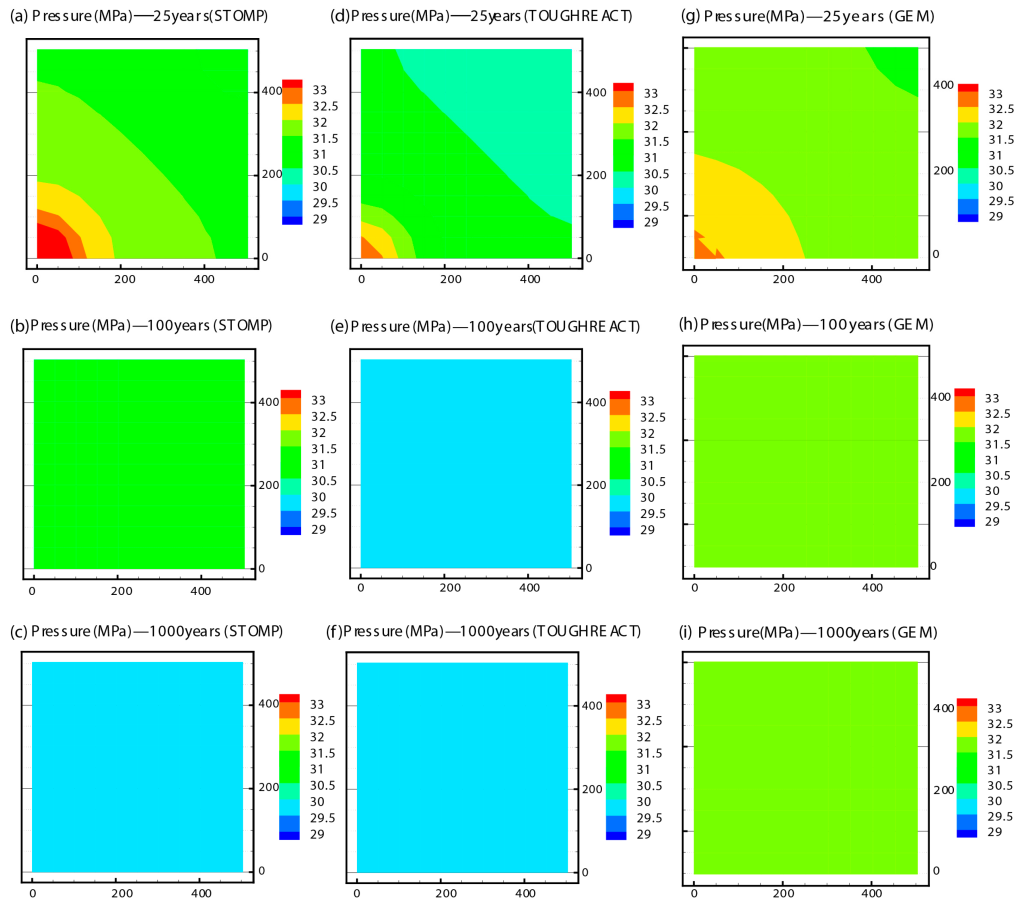
Fundamentals of Pressure Behavior in CO₂ Injection Systems Reservoir Pressure Dynamics During CO₂ Injection Injection of CO₂ into subsurface formations increases pore pressure as fluid mass accumulates within the reservoir. Unlike hydrocarbon production, which reduces pressure, CO₂ injection introduces a sustained pressure buildup that propagates outward from the injection well. This pressure evolution governs injectivity,

Pressure Management Design and Overpressure Risk Modeling in Utility-Scale CO₂ Injection Read More »

When to Use TOUGHREACT vs CMG-GEM for Carbon Storage Modeling

When to Use TOUGHREACT vs CMG-GEM for Reactive Transport Modeling in Carbon Storage

Selecting the right simulator is a pivotal technical decision that influences the “bankability” of a Carbon Capture and Storage (CCS) project. While many tools exist, the industry often debates the merits of TOUGHREACT versus CMG-GEM. This guide explores how to choose between them based on your project’s scale and objectives. Understanding Reactive Transport Modeling in

When to Use TOUGHREACT vs CMG-GEM for Reactive Transport Modeling in Carbon Storage Read More »

technical framework for investment grade saline aquifer co2 storage feasibility studies

Technical Framework for Investment-Grade Saline Aquifer CO₂ Storage Feasibility Studies

Saline Aquifers as Geological Storage Formations for CO2 Deep saline aquifers are widely considered one of the most promising geological formations for long-term carbon dioxide storage. These formations consist of porous sedimentary rocks saturated with highly saline formation water that is not suitable for human consumption or agricultural use. Because saline aquifers are widespread in

Technical Framework for Investment-Grade Saline Aquifer CO₂ Storage Feasibility Studies Read More »

How to Evaluate a Geological Carbon Storage Modeling Consultant for Utility-Scale CCS Projects

How to Evaluate a Geological Carbon Storage Modeling Consultant for Utility-Scale CCS Projects

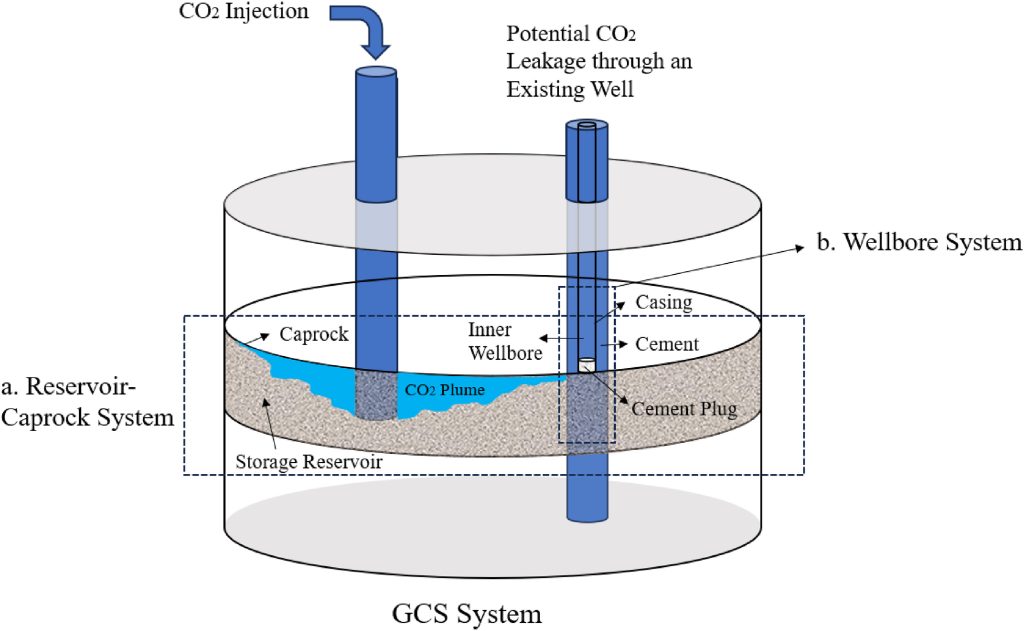
Why Geological Carbon Storage Modeling Matters for Utility-Scale CCS Geological carbon storage (GCS) involves capturing and injecting carbon dioxide deep underground into geological formations such as saline aquifers or depleted oil and gas reservoirs for long-term containment. It is a core component of carbon capture and storage (CCS) systems designed to reduce industrial CO2 emissions.

How to Evaluate a Geological Carbon Storage Modeling Consultant for Utility-Scale CCS Projects Read More »

Global Status of Carbon Capture and Storage Projects

Global Status of Carbon Capture and Storage Projects

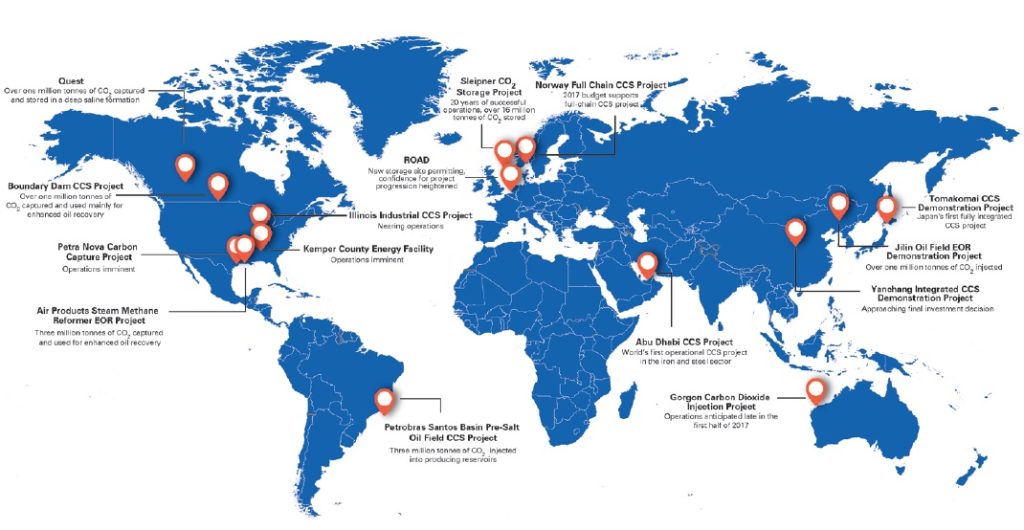
Understanding Carbon Capture and Storage (CCS) in the Global Energy Transition Carbon Capture and Storage (CCS) refers to a suite of technologies designed to capture CO2 emissions from industrial processes and store them permanently in deep geological formations. The process typically involves three main stages: capturing CO2 at its source, transporting the compressed gas to

Global Status of Carbon Capture and Storage Projects Read More »

How do regulations ensure safety and protect drinking water from carbon capture and storage leaks?

How Regulations Ensure Safety and Protect Drinking Water from Carbon Capture and Storage Leaks

Water is the fundamental solvent of life, underpinning both ecological stability and human health. However, as we scale Geological Carbon Sequestration (GCS) to combat the climate crisis, we face a critical technical challenge: ensuring that the injection of supercritical carbon dioxide (CO2) into the deep subsurface does not compromise our vital groundwater resources. While pollutants

How Regulations Ensure Safety and Protect Drinking Water from Carbon Capture and Storage Leaks Read More »

Primary Geological Methods for Permanent Carbon Storage

Primary Geological Methods for Permanent Carbon Storage

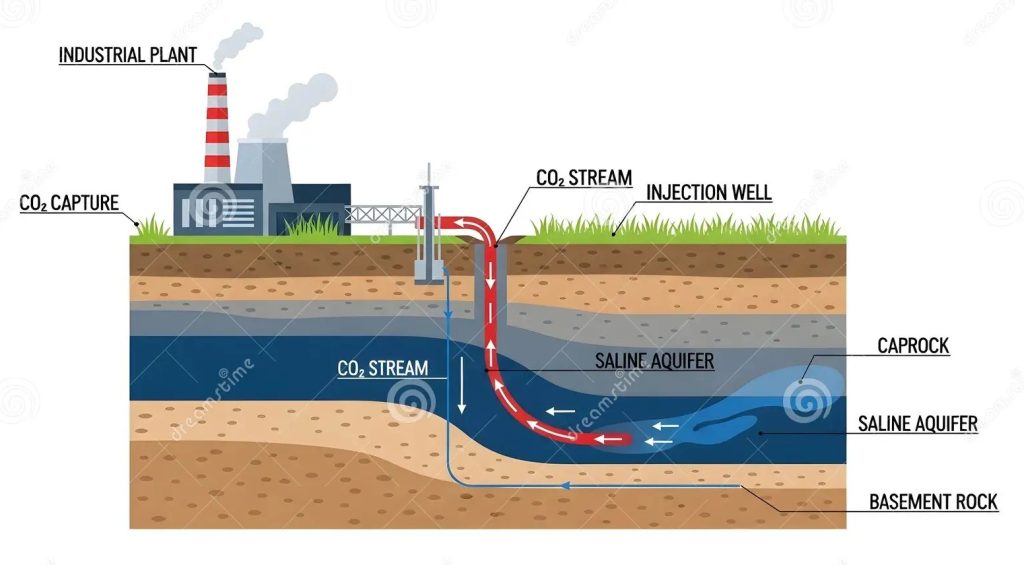
Understanding Geological Carbon Storage Our planet’s natural systems are reaching a breaking point, and the data confirms that global warming is a crisis we can no longer ignore. Recent research underscores a sobering reality: global warming is fundamentally altering Earth’s ecosystems. From shifting seasons to disappearing habitats, our delicate ecosystems are struggling to keep up.

Primary Geological Methods for Permanent Carbon Storage Read More »